Polo Shirt Fabric Buyer’s Guide
The vocabulary you need to specify knit fabric without relying on the factory’s judgment: weight, yarn, structure, blends and the tests that prove the bulk matches your approval.
GSM: weight, not quality
GSM (grams per square meter) measures fabric weight. It predicts season and hand-feel, not quality: a compactly knit 190 GSM pique can outperform a fluffy, loosely knit 240 GSM one. Typical polo programs land around 180–240 GSM, with fashion ranges lighter and uniform/corporate ranges toward the middle.
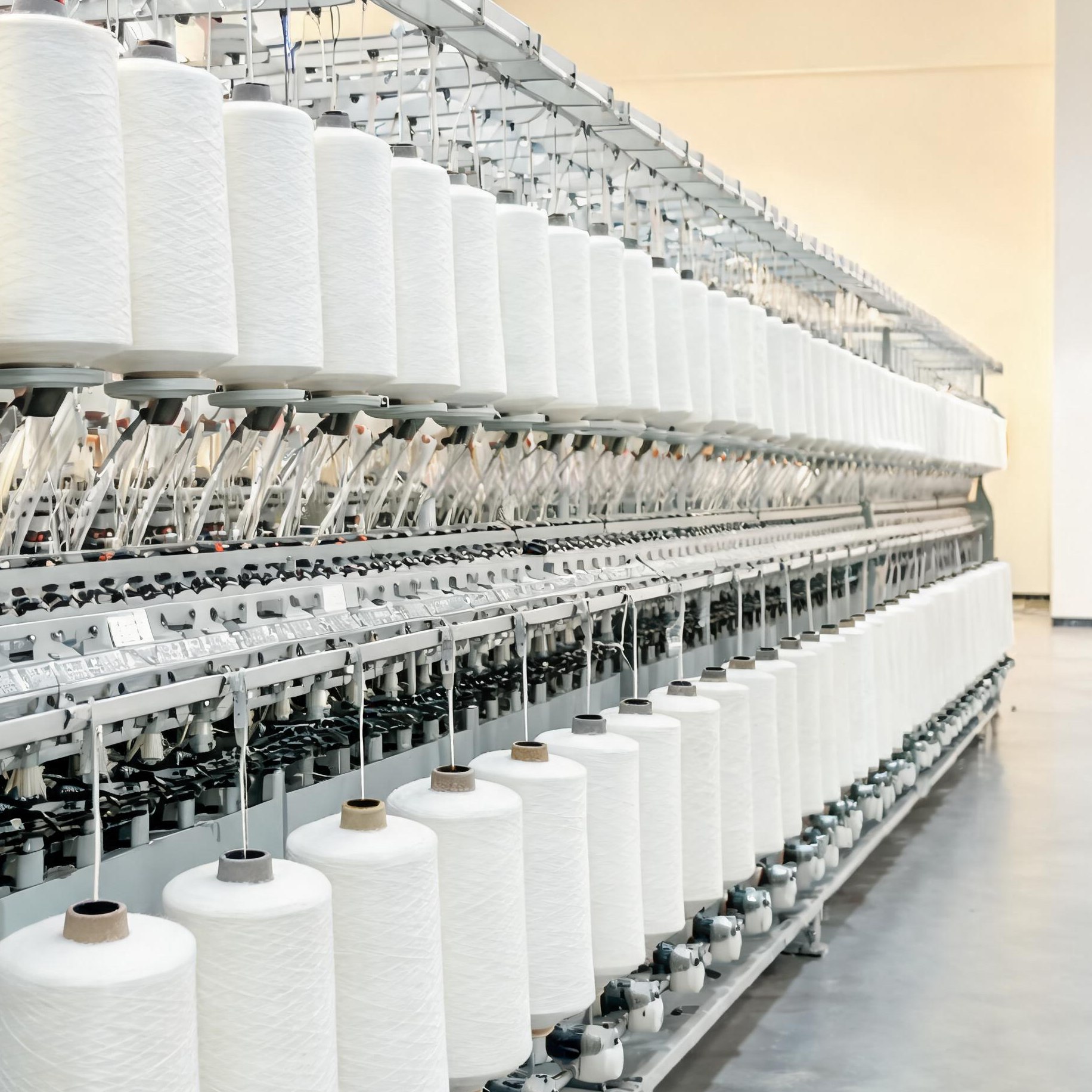
Yarn: combed, carded and count
- Combed cotton — short fibers removed; cleaner, stronger, smoother, less lint and pilling.
- Carded cotton — less processed; acceptable for value and promotional programs.
- Yarn count — finer counts give a smoother surface but different cost and care behavior; discuss with sampling rather than assuming “higher is better.”
- Compact / ring-spun — premium spinning options for retail-grade surface quality.
Knit structures for polos
| Structure | Surface | Character |
|---|---|---|
| Single pique | Fine open waffle | Light, breathable, classic warm-weather polo |
| Double pique | Dense waffle | Structured, premium collar and body |
| Jersey | Smooth flat knit | Soft, casual, t-shirt-like drape |
| Interlock | Smooth double face | Stable, dressy, minimal edge curl |
| Birdseye/mesh (synthetic) | Open perforated knit | Fast-drying performance surface |
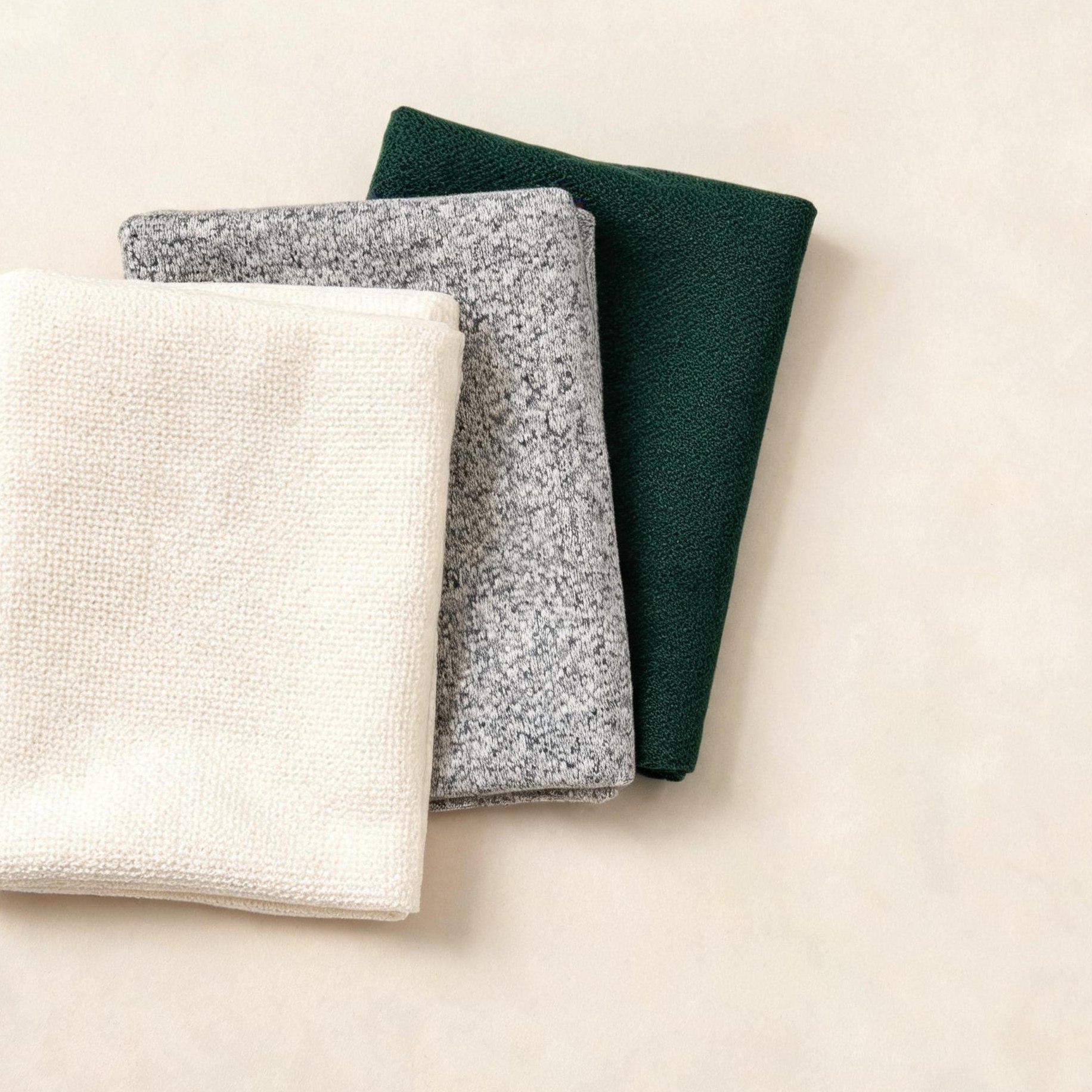
Blends and what they change
CVC (cotton-majority) keeps cotton hand-feel while reducing shrinkage and wrinkling. TC (polyester-majority) behaves like performance fabric: quick drying, durable, less breathable in humid heat. Spandex at low percentages adds recovery for stretch blocks. Blends are a performance decision, not a compromise to hide.
Tests worth paying for
- Fiber composition — verify cotton/polyester split against label claims.
- Dimensional stability — shrinkage after defined wash cycles.
- Colorfastness — washing, rubbing (crocking) and light.
- Pilling — surface durability over wear and wash.
- Restricted substances — where destination regulation or retail codes require.
The approval sequence we recommend
- Specify composition, target GSM and structure in the tech pack.
- Evaluate physical swatches for hand-feel and surface.
- Approve lab dips for every color.
- For brand-critical orders, sign off bulk fabric before cutting.
- Run lab tests on bulk fabric, not only on development swatches.
Browse available fabric types or compare pique vs jersey directly.
FAQ
Frequently Asked Questions
Straight answers to what apparel buyers ask before requesting a quotation.
What GSM should a good polo shirt be?
Is combed cotton worth the extra cost?
How can I verify fabric quality without being in the factory?
Does heavier GSM mean better quality?
Specifying fabric for your first order?
Send target GSM, composition and market; we will propose swatches with sampling and arrange any lab tests your buyers require.